Modern Treasury
Role
Design Lead
Timeline
Q3 2022
Sector
Payment Operations
Scope
CORE LEDGER FEATURE
IMPLEMENTING HIERARCHY WITHOUT REWRITING THE LEDGER
BACKGROUND
As customers relied on Modern Treasury’s ledger as their source of truth, flat account structures made it difficult to reason about balances at scale. Without hierarchy, finance teams struggled to reconcile, audit, and report accurately as complexity grew.
OUTCOME
Introduced a flexible hierarchy layer that allowed customers to group ledger accounts without altering underlying data, preserving financial integrity while enabling scalable reporting and future platform expansion.
My background in finance and platform design shaped the approach in prioritizing financial correctness, scalability, and enterprise workflows over surface-level hierarchy.
THANKS TO
Koji Murase (PM), Jason Jong (Eng Lead), Sahil Altekar (Full Stack Eng), Leon Dai (Full Stack Eng), Sajeel Malik (CSM)
FLAT LEDGERS DIDN'T SCALE TO ENTERPRISE FINANCE
The core issue wasn’t missing data. It was missing structure.
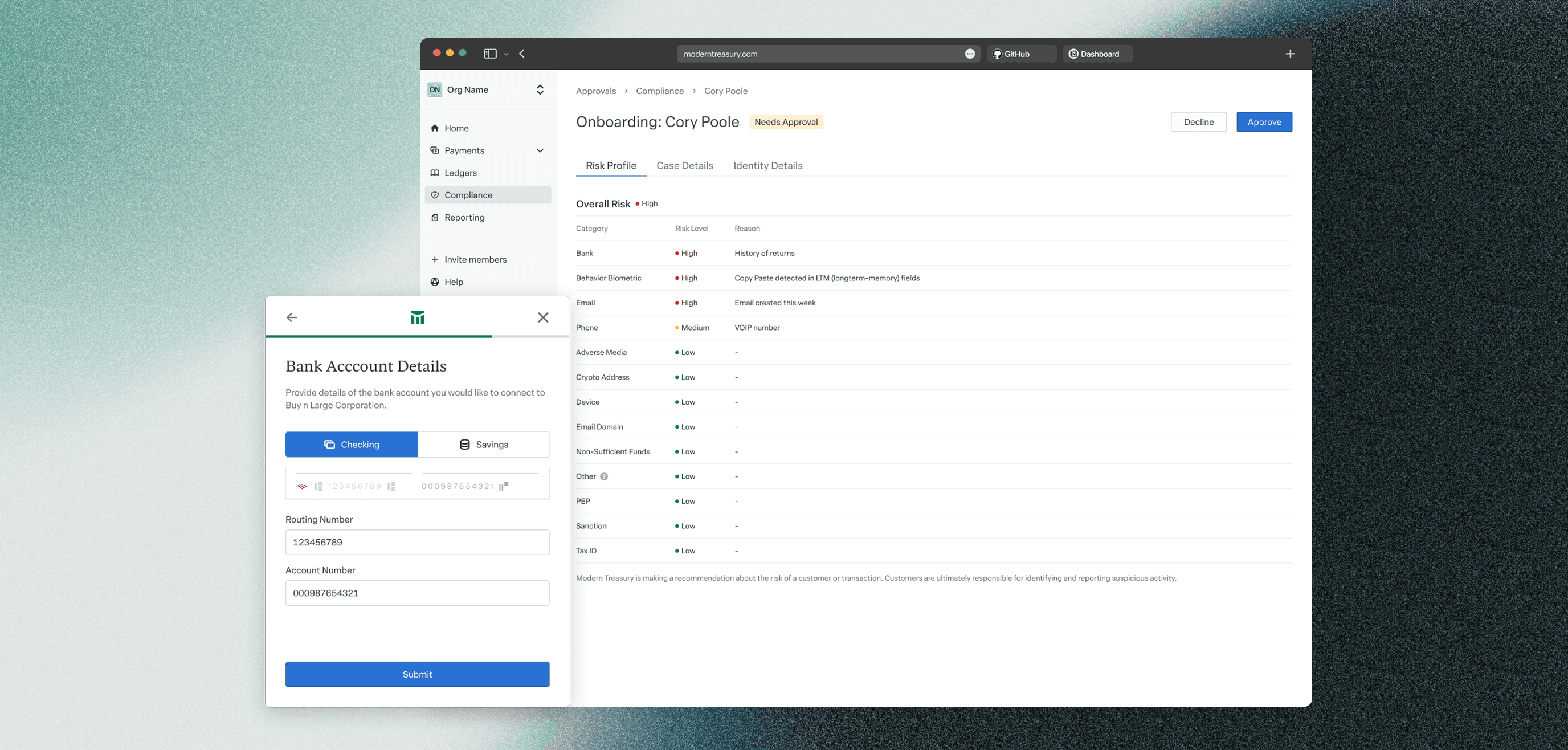
As ledgers scaled to hundreds of accounts, finance teams struggled to summarize, audit, and explain balances across increasingly complex financial structures. Basic questions required spreadsheets, manual mappings, or custom queries — introducing risk, delays, and duplicated effort.
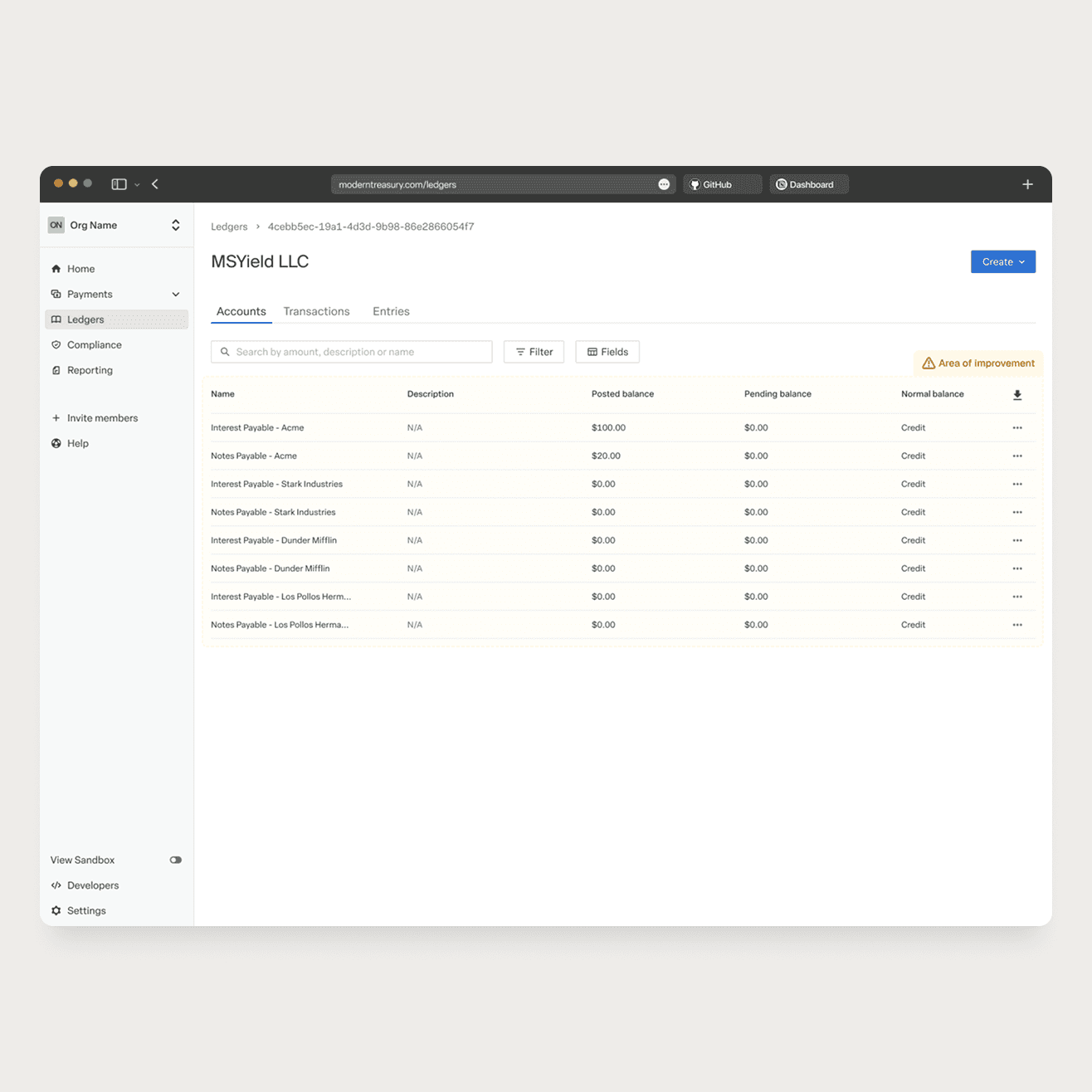
To simulate hierarchy, teams repurposed metadata fields to tag related accounts and relied on engineers to manually stitch balances together for reporting. This workaround was fragile, inconsistent, and couldn’t support accurate or timely financial reporting at enterprise scale.
The ledger remained financially correct, but structurally flat. It didn’t reflect how businesses actually organized money — creating growing reconciliation overhead as customers scaled.
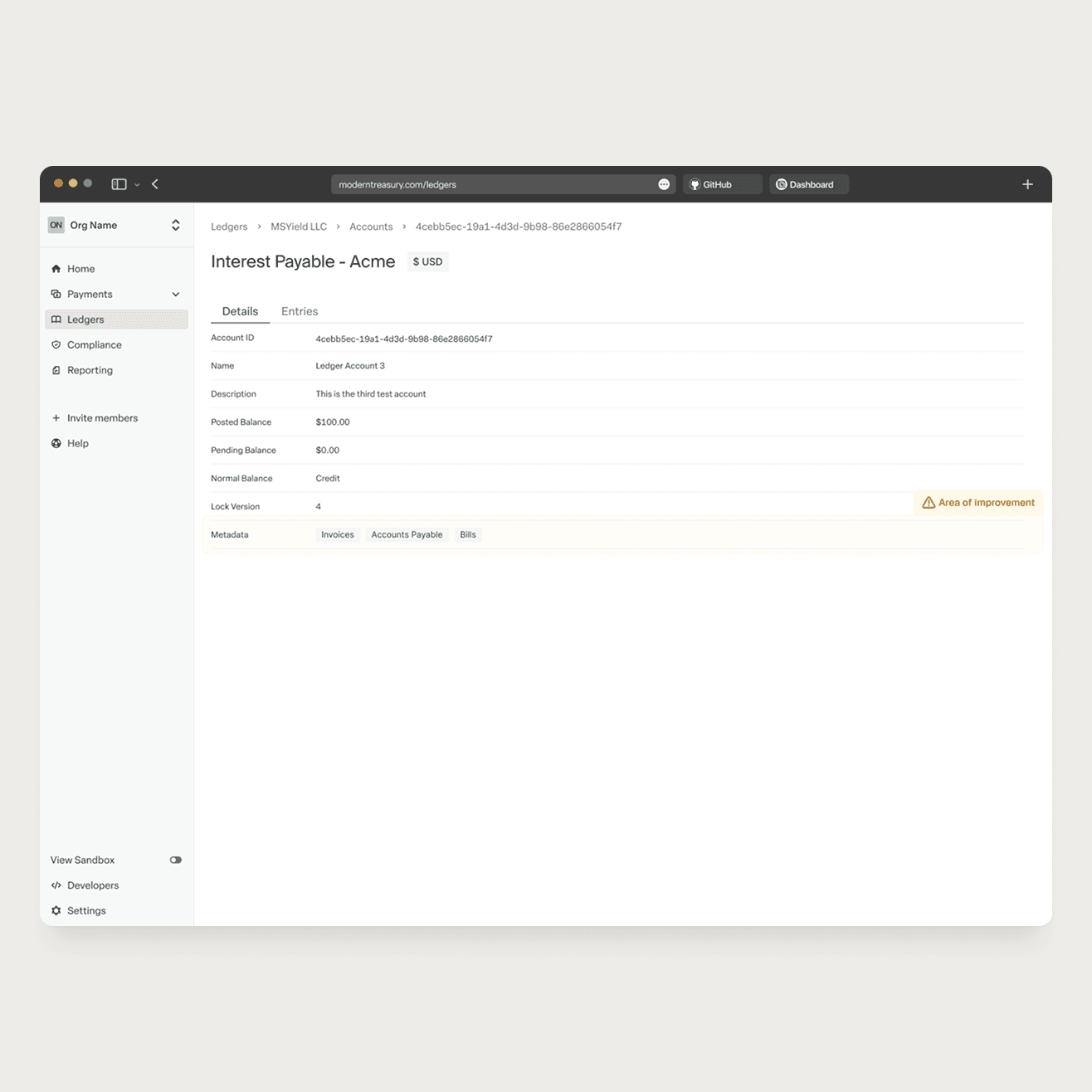
Shaped by Real Enterprise Workflows
Ledger Categories wasn’t designed in isolation. The shape of the solution was driven by a small set of enterprise customers whose financial workflows exposed clear constraints around hierarchy, aggregation, and correctness.
Procore
Needed to represent how funds flowed between General Contractors and Subcontractors across large, multi-party projects.
This required hierarchy that reflected real organizational relationships, not just reporting labels.
Ramp
Needed hierarchy at the vendor and transaction level to support payments, accounting, and downstream reporting.
This constrained the system to support deep nesting without sacrificing performance or financial accuracy.
MainStreet
Needed to roll up interest payables into a single account to pay customers while preserving underlying ledger data.
This required aggregation to be structural and reversible, not destructive.
MAKING HIERARCHY USABLE AT SCALE
At its core, Categories was about introducing hierarchy without compromising financial correctness, performance, or existing workflows.
These are the three decisions that made hierarchy usable at enterprise scale:

AGGREGATED BALANCE VIEWS
Surface rollups inline to preserve context and reduce reconciliation overhead

HIERARCHY SUPPORT
Make account relationships legible without adding cognitive or visual complexity

Category Assignment
Introduce structure without disrupting existing account creation workflows
INLINE ROLLUPS AT SCALE
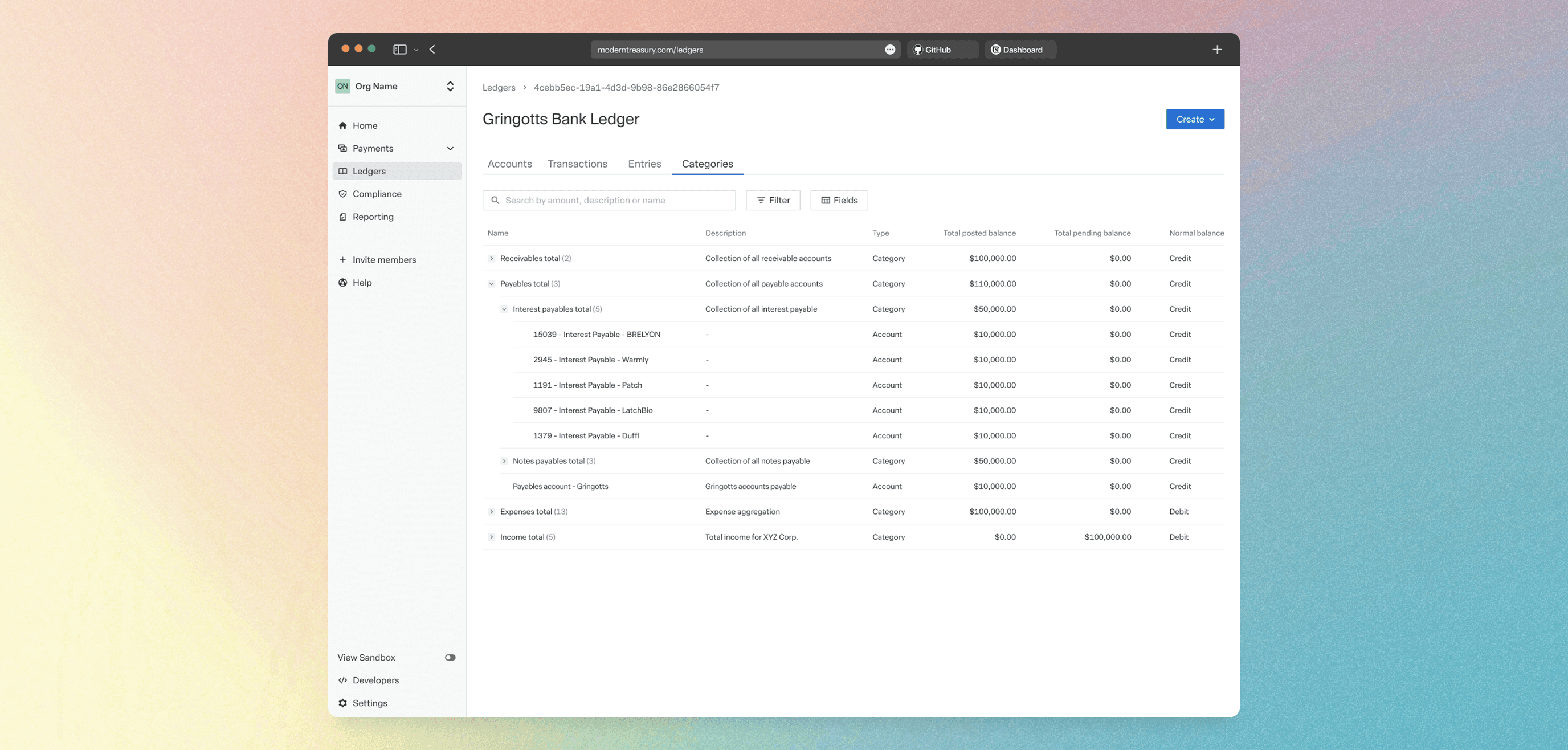
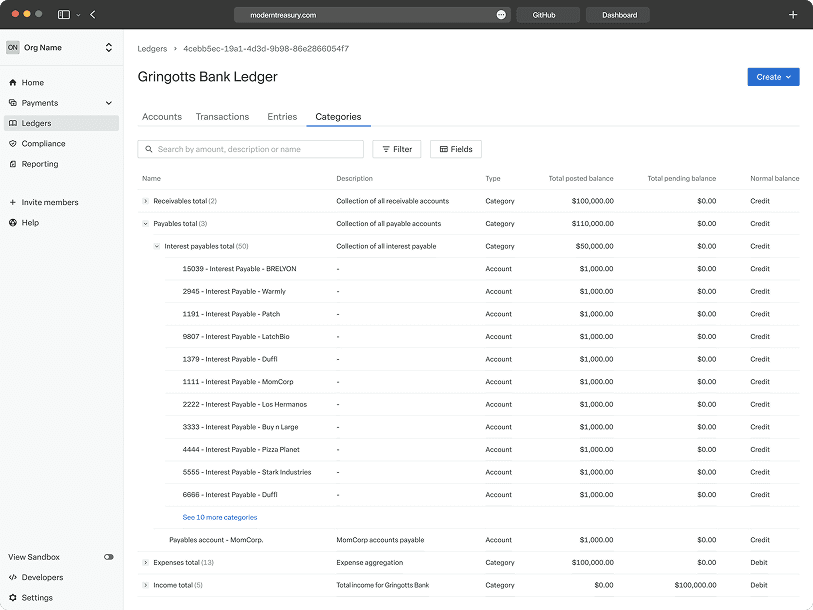
Aggregated balances are surfaced inline, allowing teams to scan rollups and drill into detail without losing context or switching views.
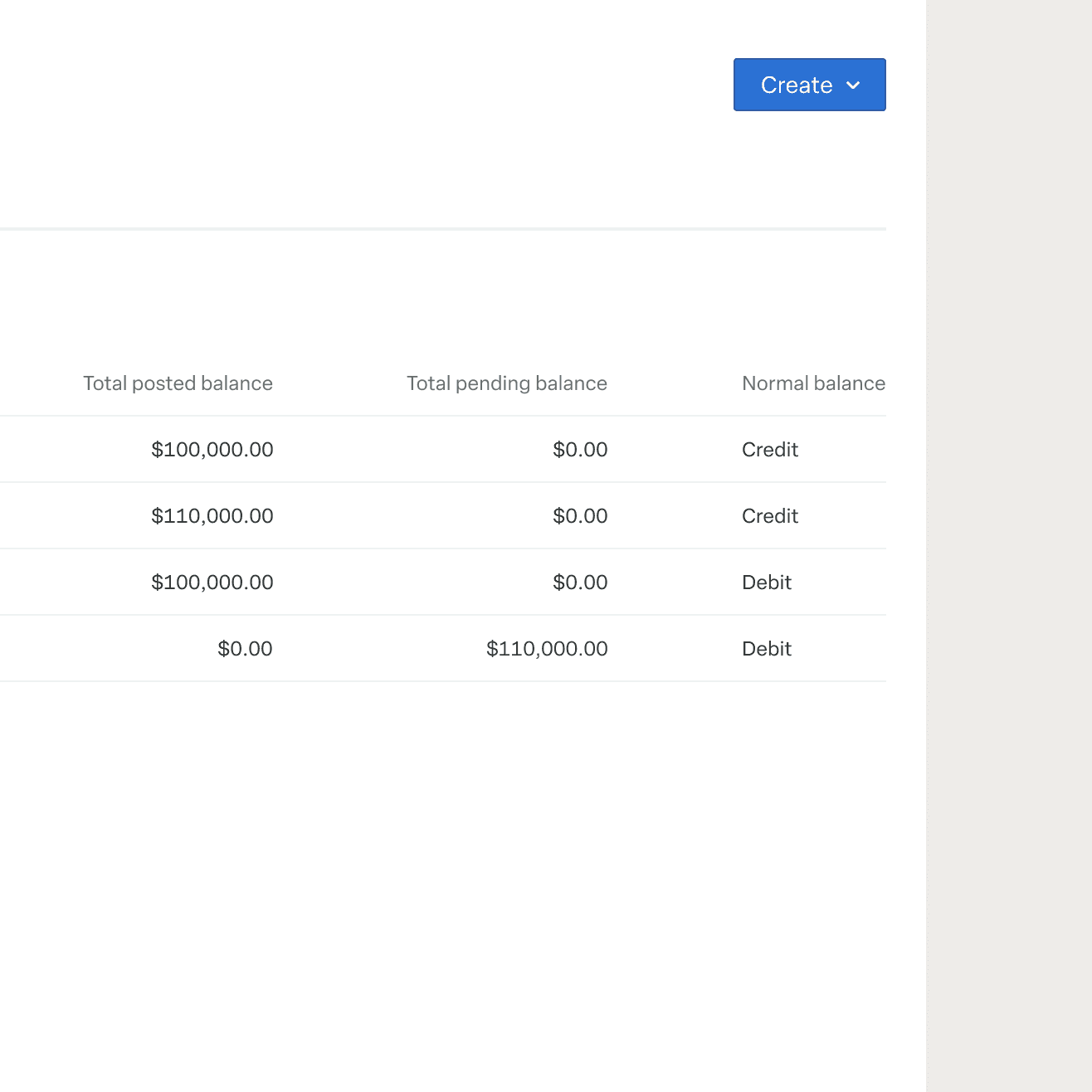
Category-level balances surfaced alongside accounts
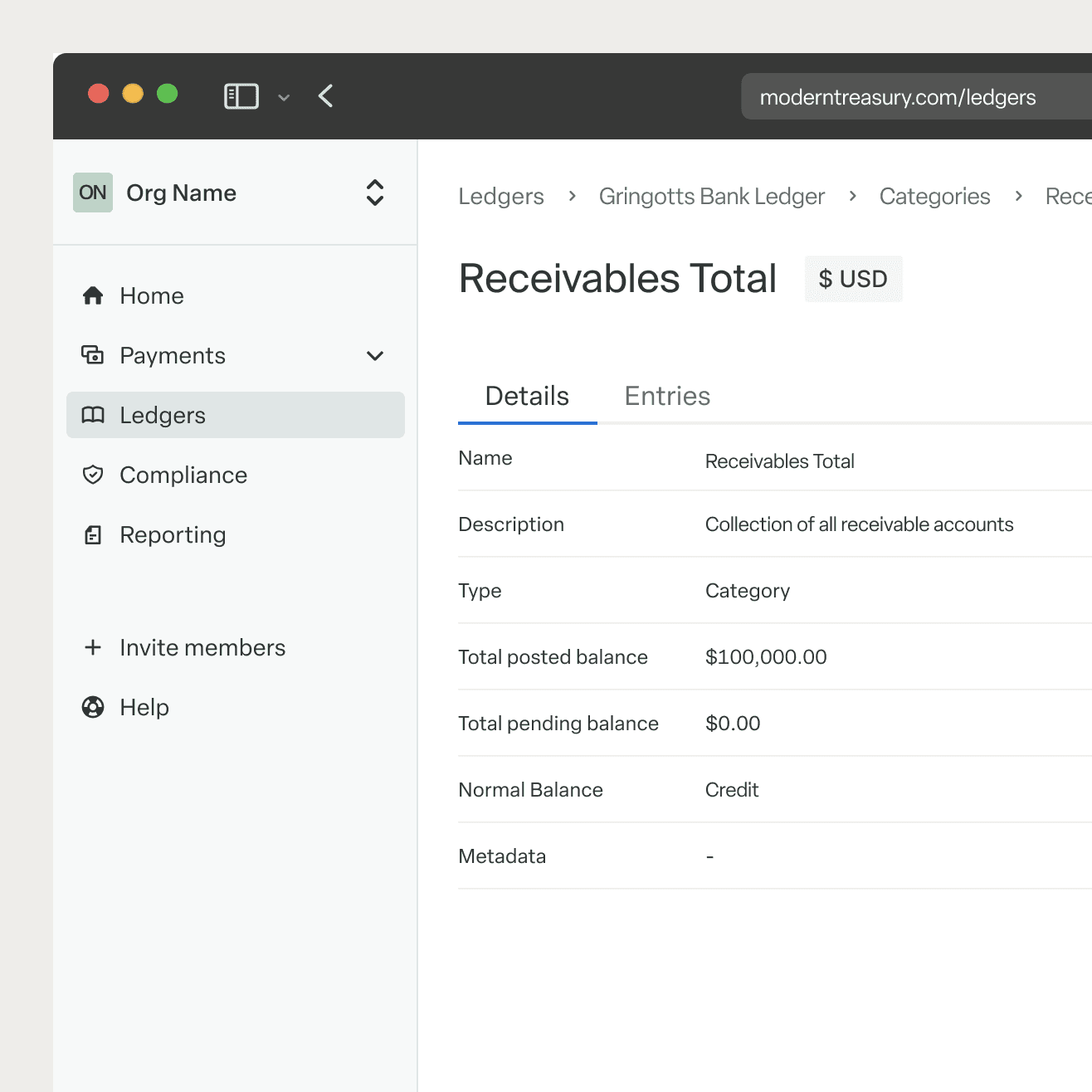
Category details consolidate balance logic in one place
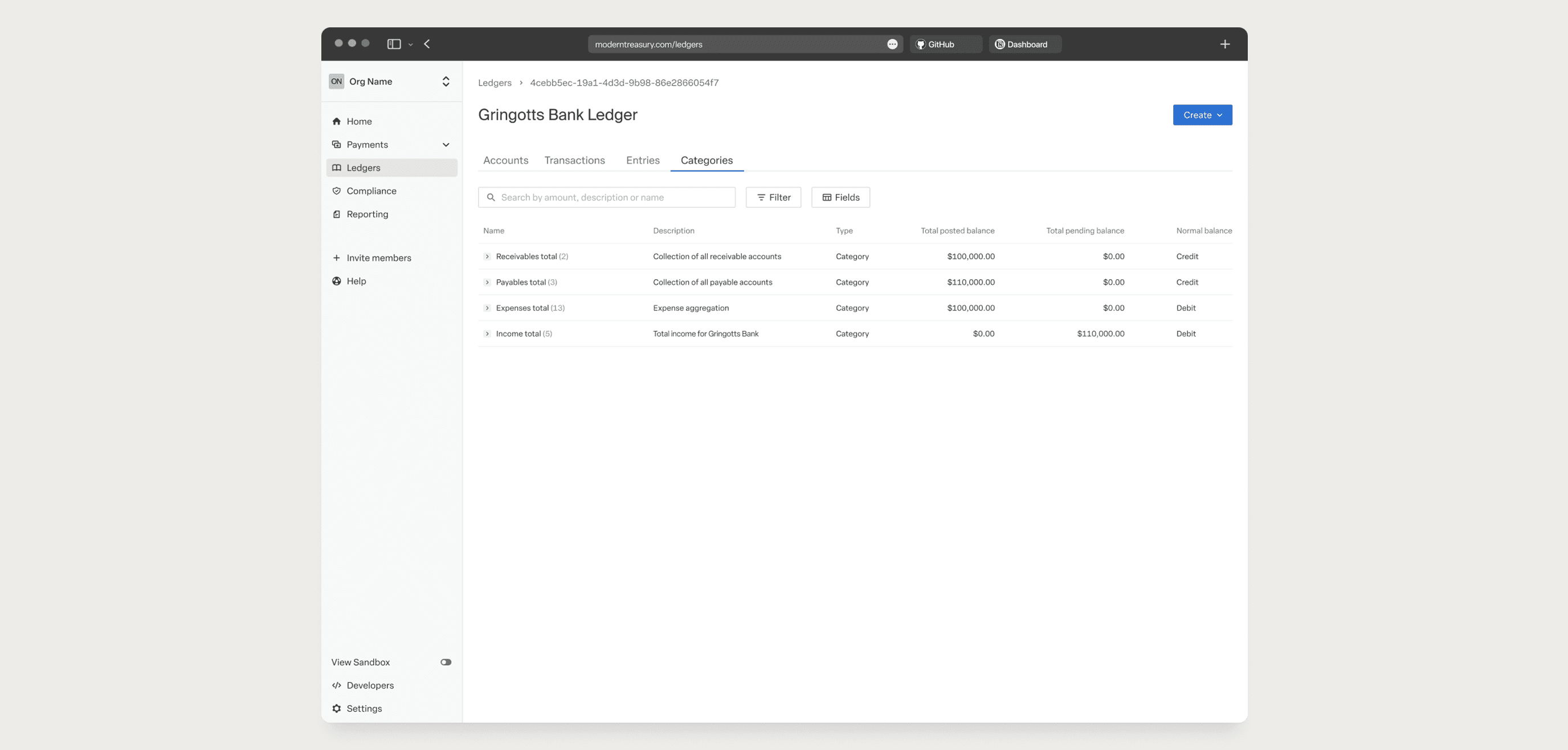
A dedicated Categories view for faster navigation and review
HIERARCHY WITHOUT VISUAL OVERHEAD
Account hierarchy is revealed inline through expandable rows, making complex financial structures legible without visual noise.
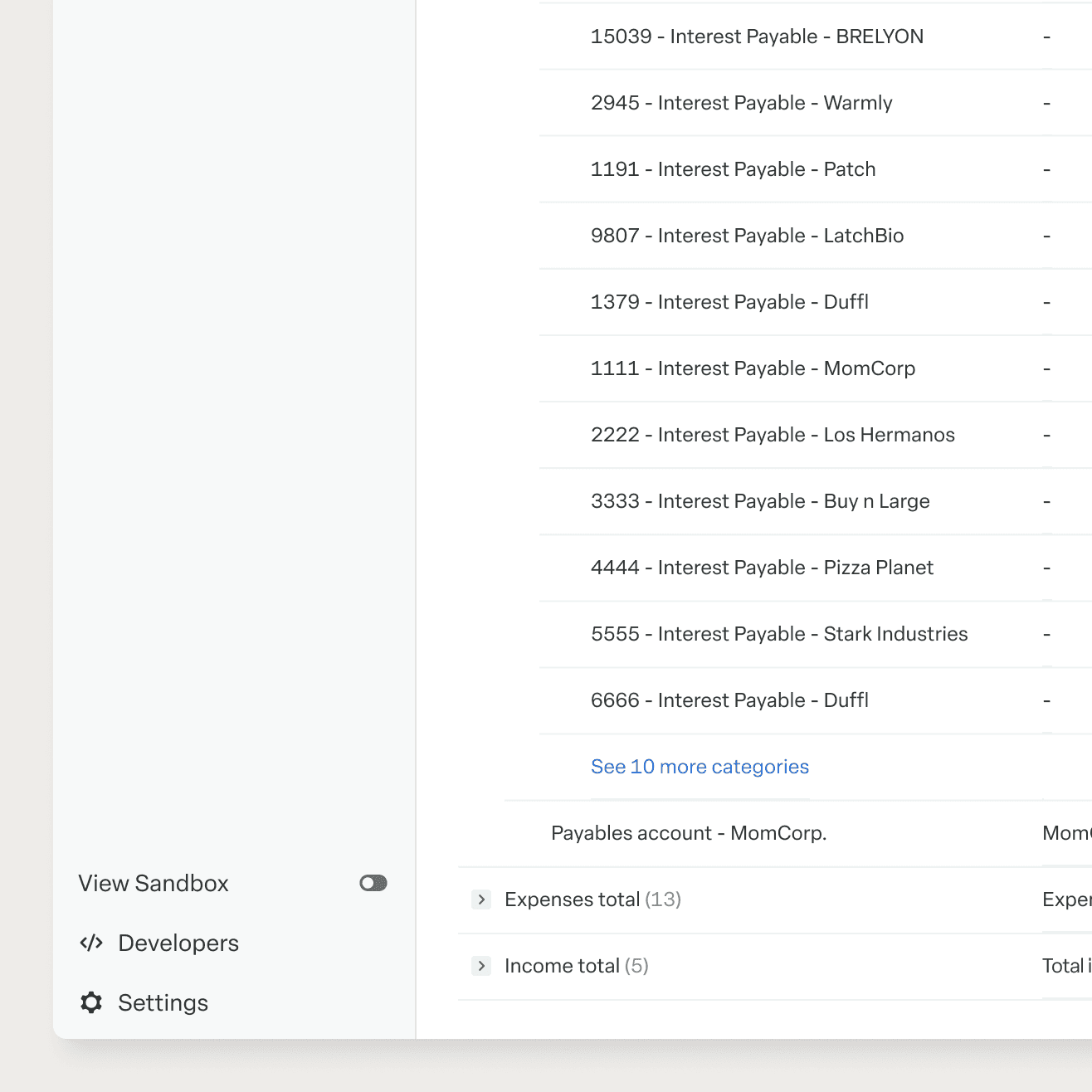
Long category lists collapsed to reduce cognitive load
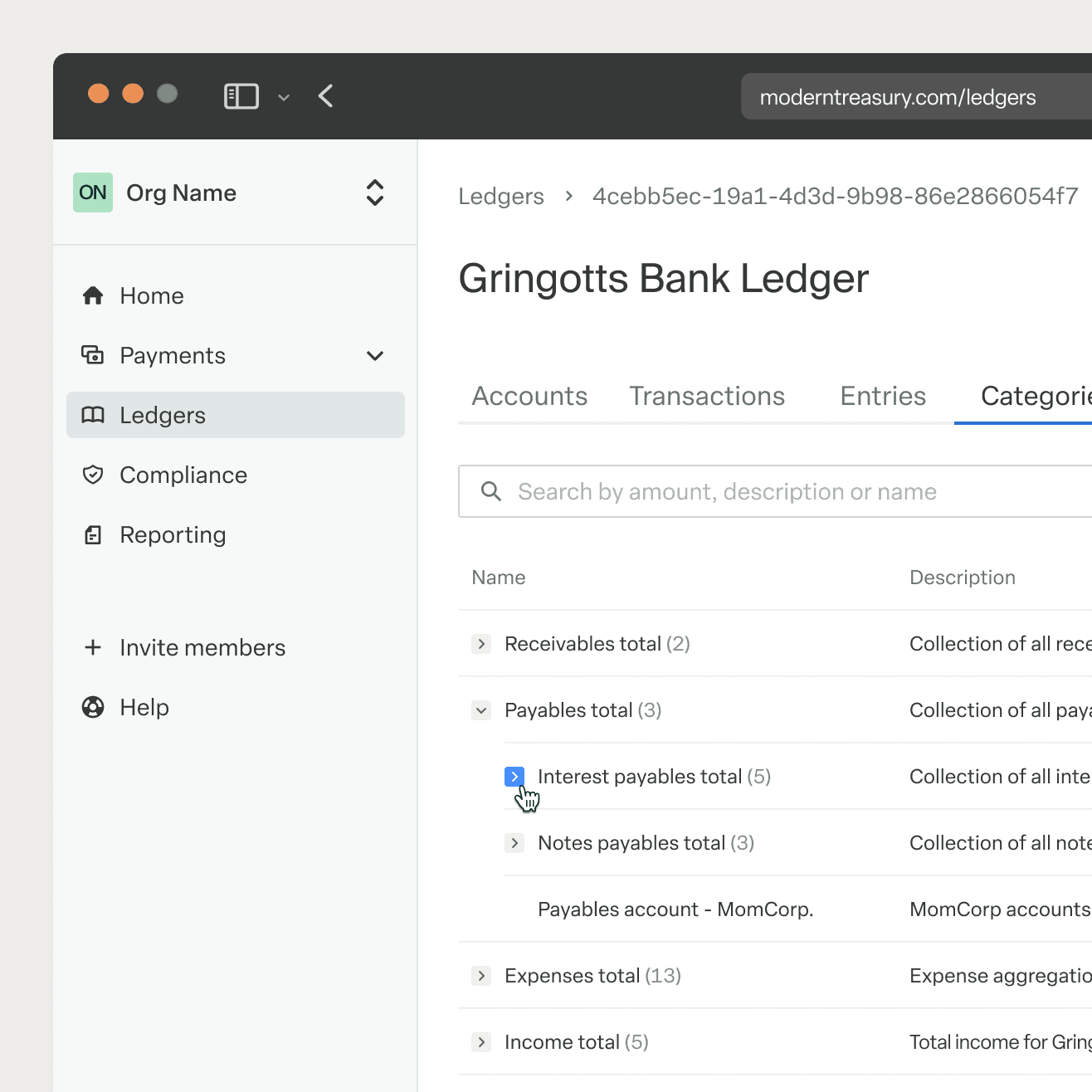
Nested categories reveal structure only when needed
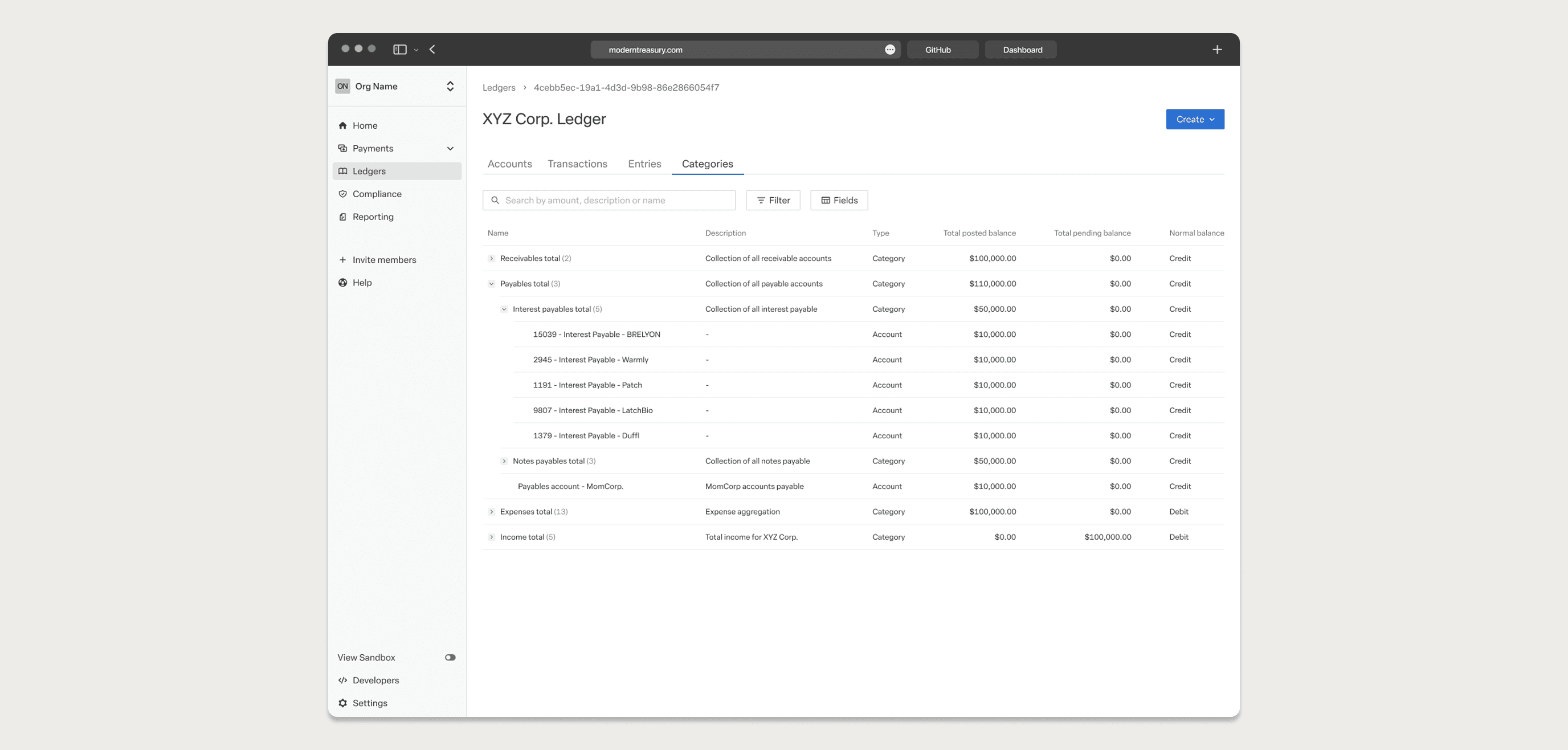
A complete, bird’s-eye view of category structure
STRUCTURE BUILT INTO EXISTING SETUP
Categories are assigned directly within existing account workflows, avoiding the need for a separate management surface while preserving setup speed.
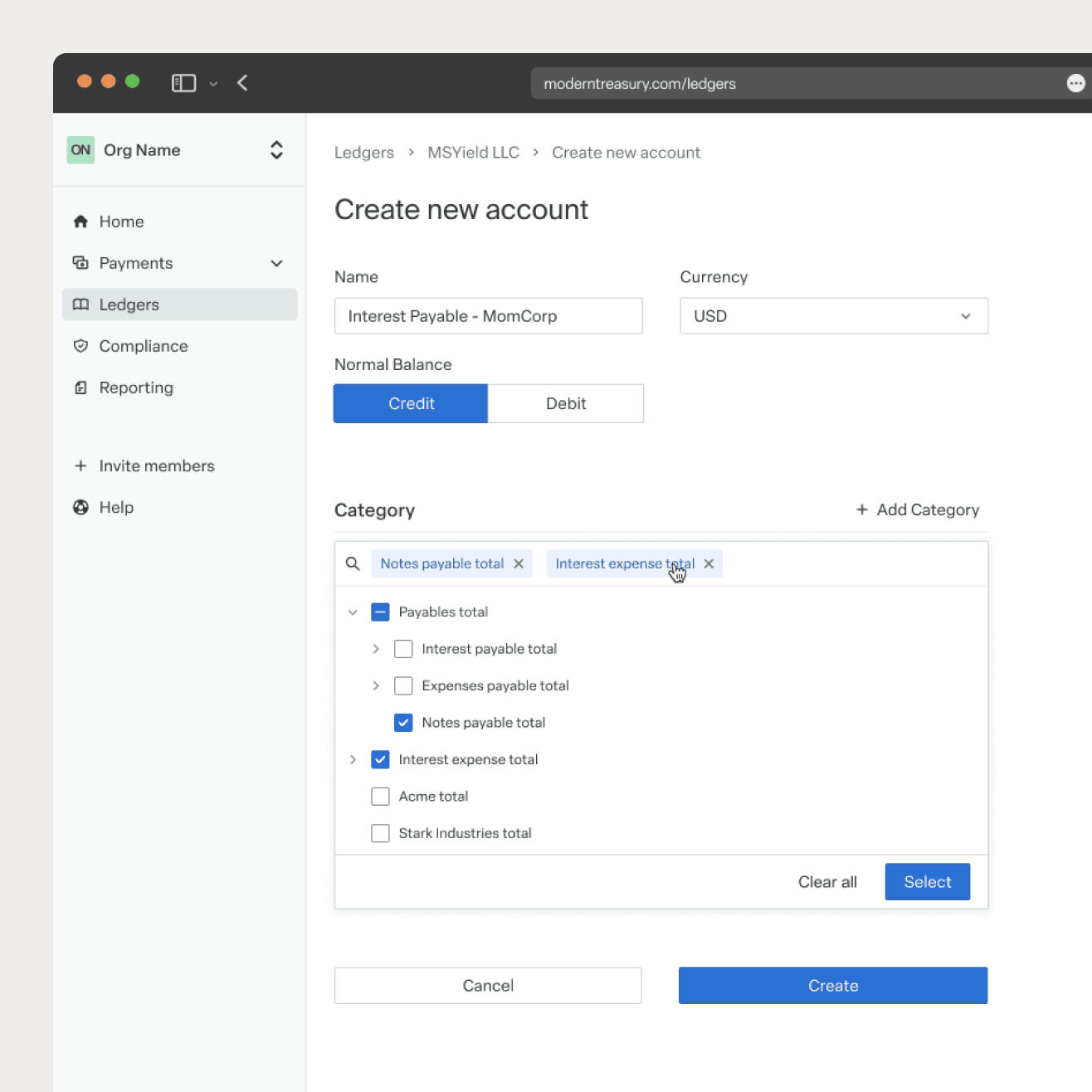
Categories assigned inline during account creation
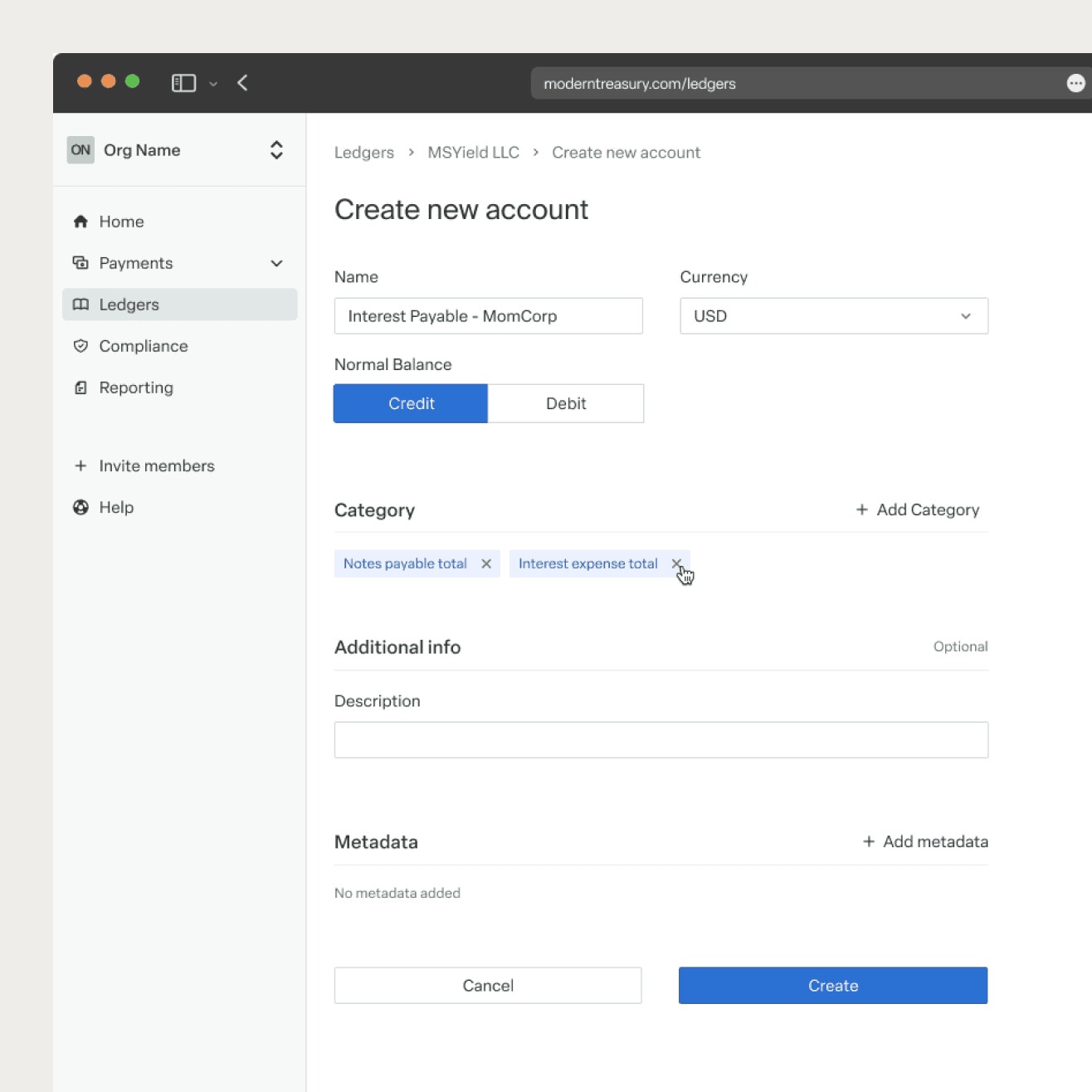
Accounts can belong to multiple categories
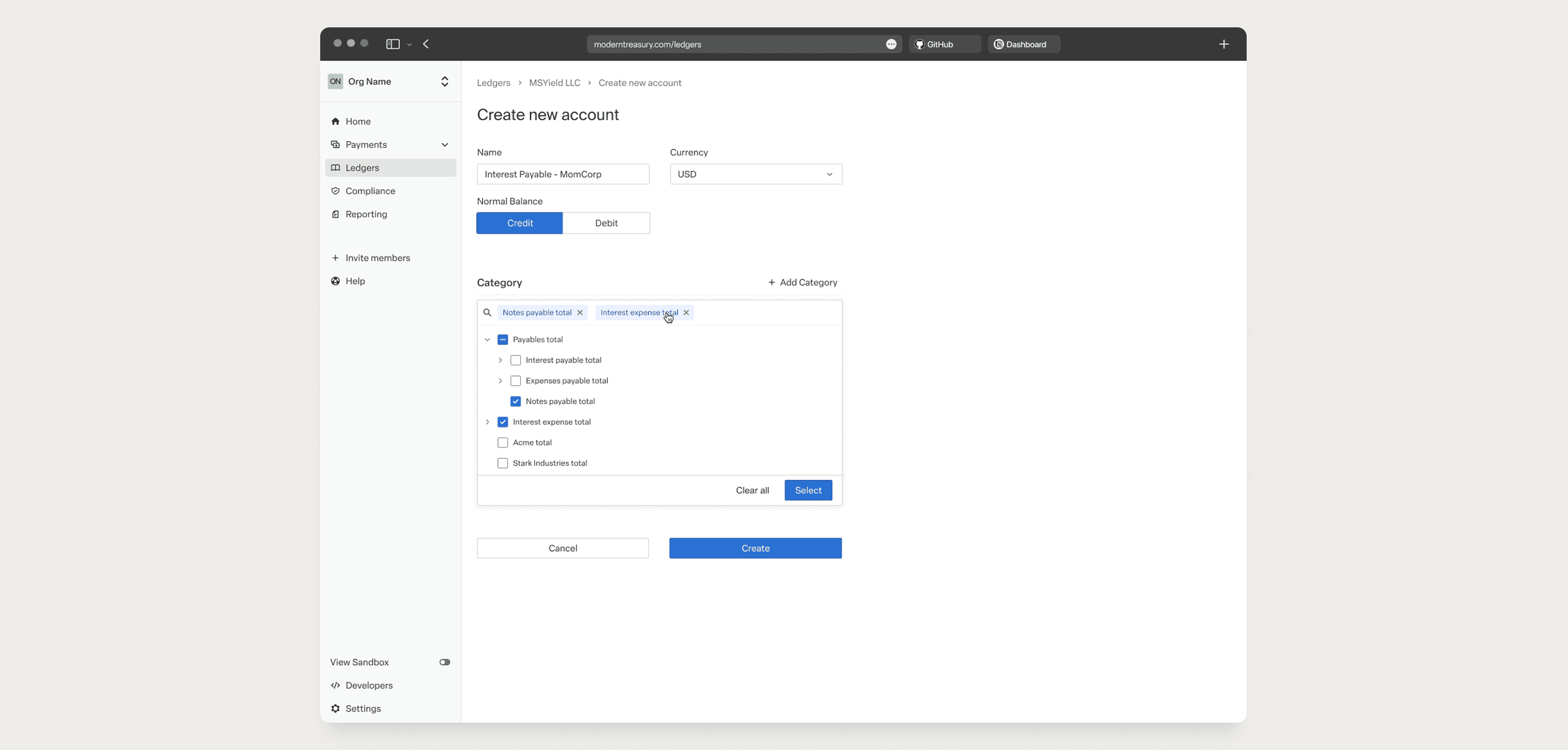
Category structure integrated into existing account workflows
06
Impact
IMPACT AT SCALE
Ledger Categories turned a flat ledger into a scalable financial model — unlocking faster reporting, enterprise adoption, and revenue growth.
ARR added
$255K
New customers
3
Custom SQL Reports